


MRI
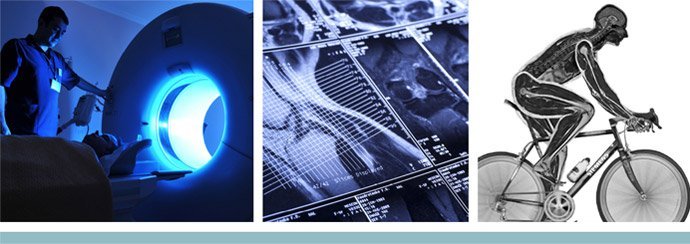
An MRI (Magnetic Resonance Imaging) is a safe, painless, and non-invasive procedure that does not use radiation.
Instead, this technology uses strong magnetic fields and high frequency radio waves to produce a three-dimensional image. Your physician may order an MRI to evaluate structures within your body not visible by routine x-rays.
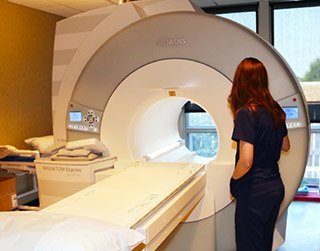
Arlington Orthopedic Associates has two latest-technology MRI machines, each of which allows for a much more comfortable exam, especially for claustrophobic patients.
What to expect:
An MRI requires no preparation, however, please arrive 15 minutes prior to your scheduled exam time to complete all appropriate paperwork. The length of the appointment depends on the type of scan, but you should generally prepare for a 60-minute exam.
To expedite the exam process, wear comfortable clothing that are free of all metals. Shorts or a gown will be provided to you if you do not wear the proper attire.
The radiologic technologist will ask you some simple questions, such as whether you’ve had surgery before and if you have any metal clips or devices implanted in your body. The answers to these questions may or may not disqualify you from having the test.
Be sure to mention if you have any of the following:
- Cardiac pacemaker
- Vascular/ Aneurysm clips
- Brain aneurysm clips
- Insulin/medicine pumps
- Fractured bones with rod, screws, ect.
- Metal slivers in any area of the body
- Shrapnel
- Implant stimulate/neurotransmitter
- Joint replacement <8 weeks old
- Permanent prosthesis
- Eye/ear/brain/ implants
Due to the strong magnetic fields surrounding the MRI machine, the following items must be removed before entering the room to protect the machine and your belongings:
- Jewelry
- Hearing aids
- Credit/Debit cards
- Watch
- Keys
- Purse/wallet
Most often there are no injections, but if your Physician is looking for something specific, the radiologic technologist may inject a small amount of contrast material intravenously or a Physician might inject a specific joint or area to be examined.
For most examinations you simply lie completely still for about 30 to 45 minutes until the test is done. If you move during the MRI test is being performed, it may cause the test to be repeated, thus delaying your examination time.
Once your scan is complete, the image will be reviewed by a radiologist and the results of your scan will be discussed with your physician. The MRI report generally takes 24 to 48 hours to receive.